The hot slightly burnt taste, succulent nature, tummy filling capacity with relative affordability has made Indo-Chinese food popular in India. The Chinese food that we eat in India is essentially an Indo-Chinese food. It is basically packed with flavours from India & modified to suit Indian taste buds while retaining certain Chinese techniques of cooking. Ever since their introduction in India, the long curly noodles wrapped around a fork or held between chopsticks (after several failed attempts), became the much-loved choice of Indians. Hakka Noodles have been around for many years in the Indian culinary world & have slowly made their way from restaurants or street food vendor’s cart to a typical Indian kitchen of any home. It’s a one pot meal, filling & favourite of all.
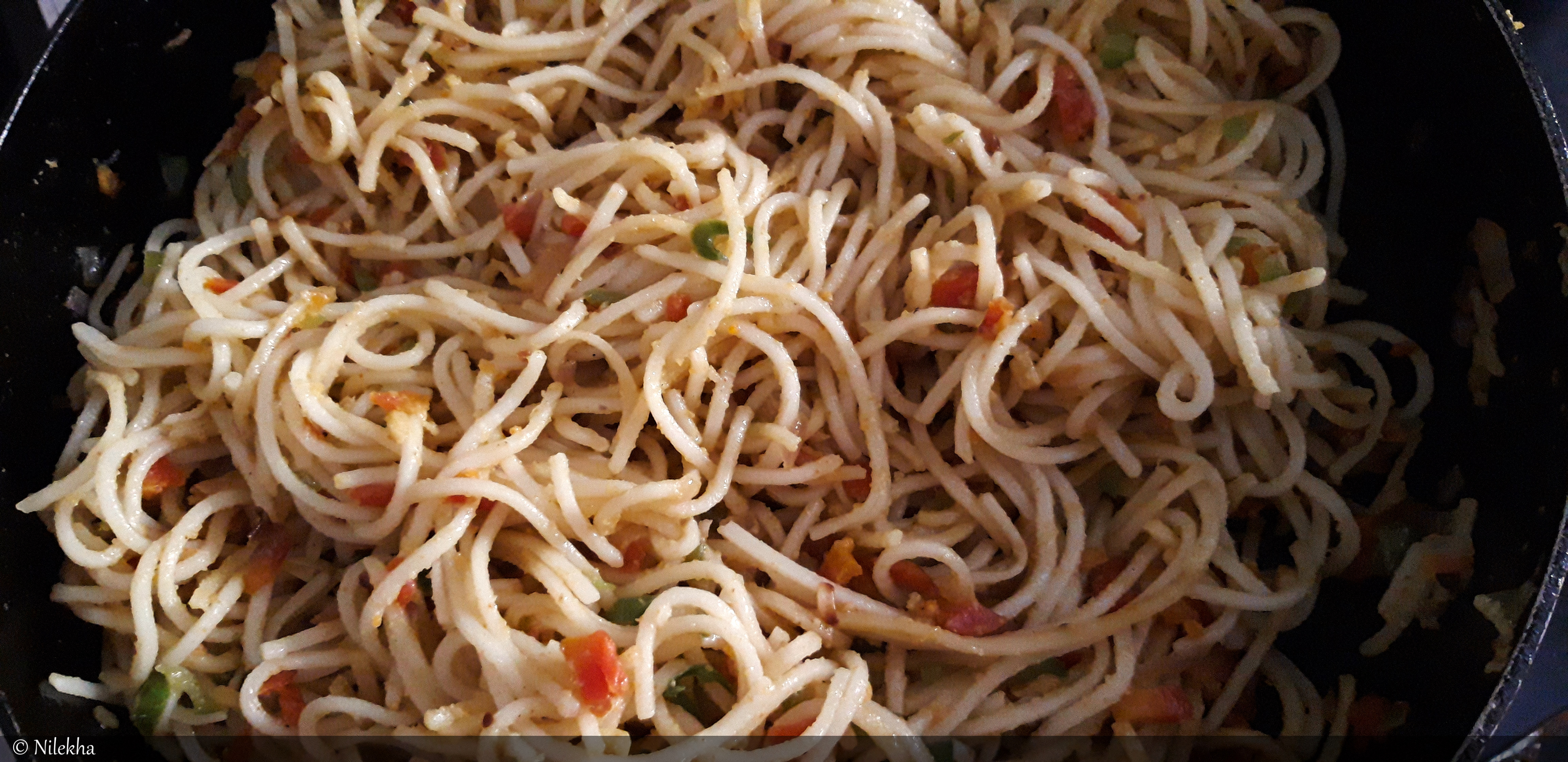
Hakka Noodles supposedly should mean noodles cooked in Hakka or Hakka-Han style. Hakka people are people from Chinese regions of Hunan, Fujian, Jiangxi, Guangxi, Guangdong, Hainan & Guizhou, who speak the Hakka language. The Chinese characters for Hakka literally mean guest families. Many people of Hakka origin have migrated to India (initially in & around Kolkata) & have settled down. They introduced Hakka cuisine in India. However, Hakka Noodles that we eat in India are quite far from authentic Hakka style of cooking. Hakka style of cooking puts emphasis on the texture of food & uses preserved meats & preserved vegetables. Adapting their original cooking style with locally available ingredients & being influenced by Indian spices, Hakka people developed a blend of Indian & Chinese cooking. Probably because many of the restaurants that initially introduced Hakka Noodles into Indian culinary scene were owned by the people from Hakka origin, the name Hakka Noodles became popular & has stuck.
No matter the origin & authenticity, we love Hakka Noodles. Raw Hakka Noodles are made of durum wheat or rice flour. Thanks to many noodle manufacturers, we don’t need to learn how to make noodles from scratch. Buying Hakka Noodles pack should suffice. While making Hakka Noodles, noodles are parboiled or cooked al dente (firm to bite) or up to 70%-80% in salted water. After being parboiled, they are drained, held under running tap water (to stop cooking process), strained & rubbed with little oil. For making veg Hakka Noodles finely chopped garlic, ginger & onions (red/spring or both) are sautéed in oil in wok or kadhai. Sometimes even green chillies are used. Any random vegetables that go well in Chinese cuisine like cabbage, carrots, capsicum, mushrooms etc. are tossed with sautéed ginger-garlic-onions.
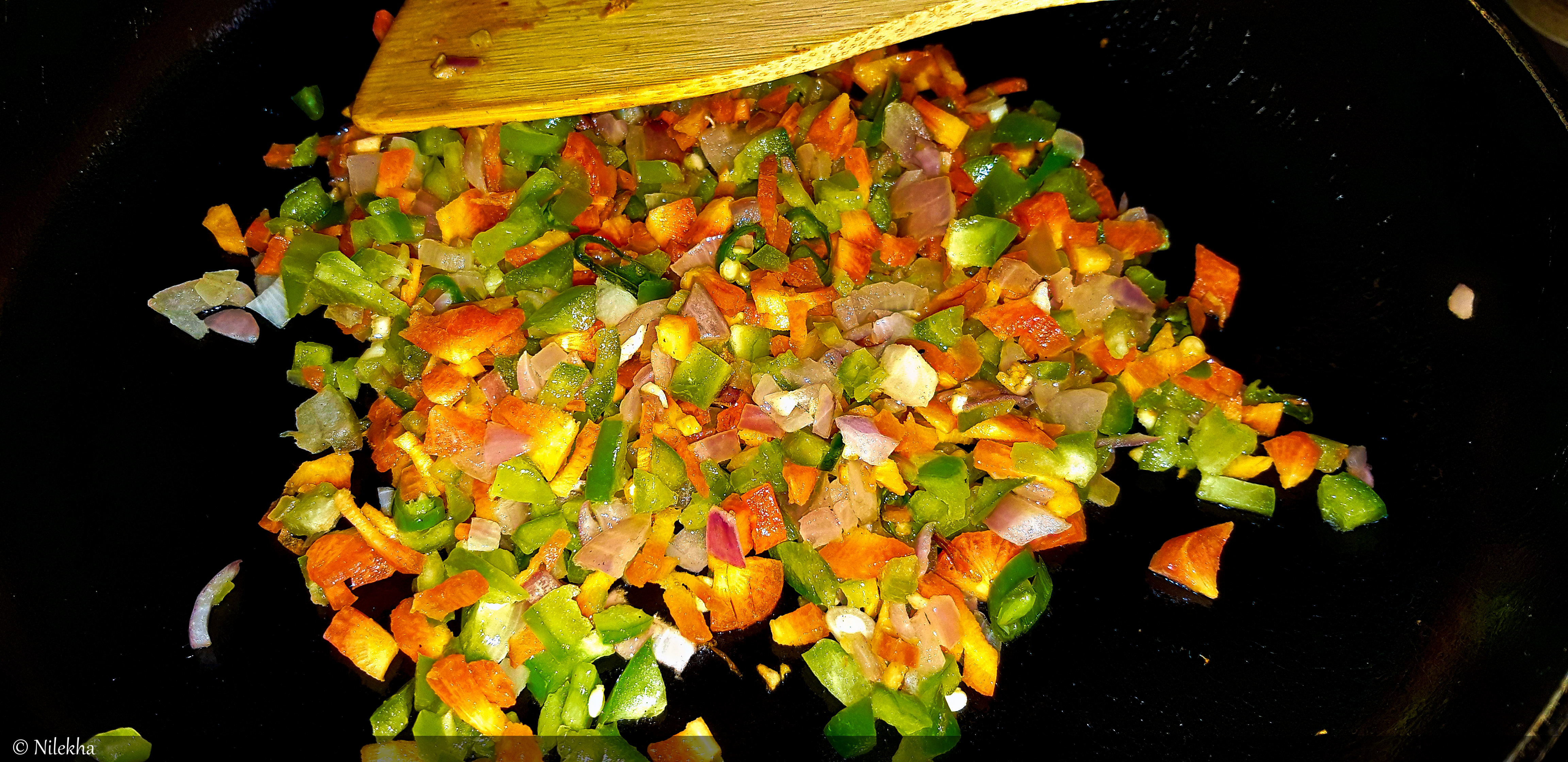
Chinese sauces like soy sauce, chilli-garlic sauce or green chilli sauce & vinegar are added & parboiled noodles are stirred in. Generally, a high flame is used for cooking after this stage, giving the entire dish a distinct texture & flavour. Sometimes paneer, soy chunks or tofu is mixed with vegetables. Hakka Noodles are normally served fried or dry. There is no wet sauce or gravy component to this dish by itself. The noodles though by themselves are tasty enough, people sometimes pair them with Manchurian or Sichuan (what we generally call schezwan) gravy dishes. The non-veg variety of Hakka Noodles that we get in India generally contains chicken & sometimes scrambled egg is added.
These days the life of Indian mothers & wives has become easier due to the availability of Hakka Noodles Kit packs, easily obtainable in supermarkets. The kit contains tastemaker or masala thereby nullifying the need to procure & stock various Chinese sauces. Though these kits are convenient & lifesavers on hectic days, reading their ingredients carefully would be a good idea to make sure they adhere to your health & food preferences.
Happy Eating!!!
 Nile's Creations