Indian food is famous for being spicy. We just love our masalas (spices). Indians are very fussy when it comes to taste of a particular dish & use of particular spice in it. A person ordering Hyderabadi Biryani (rich rice dish generally non-vegetarian) would be hugely disappointed if he would fail to smell saffron in rice. A person ordering Sambar (South-Indian curry) expects a hint of fenugreek seeds, tamarind & so on. In fact, when we drink tea at a street vendor, we expect it to be ‘Masala Tea’ normally containing adrak (ginger) or ilaychi (cardamom).
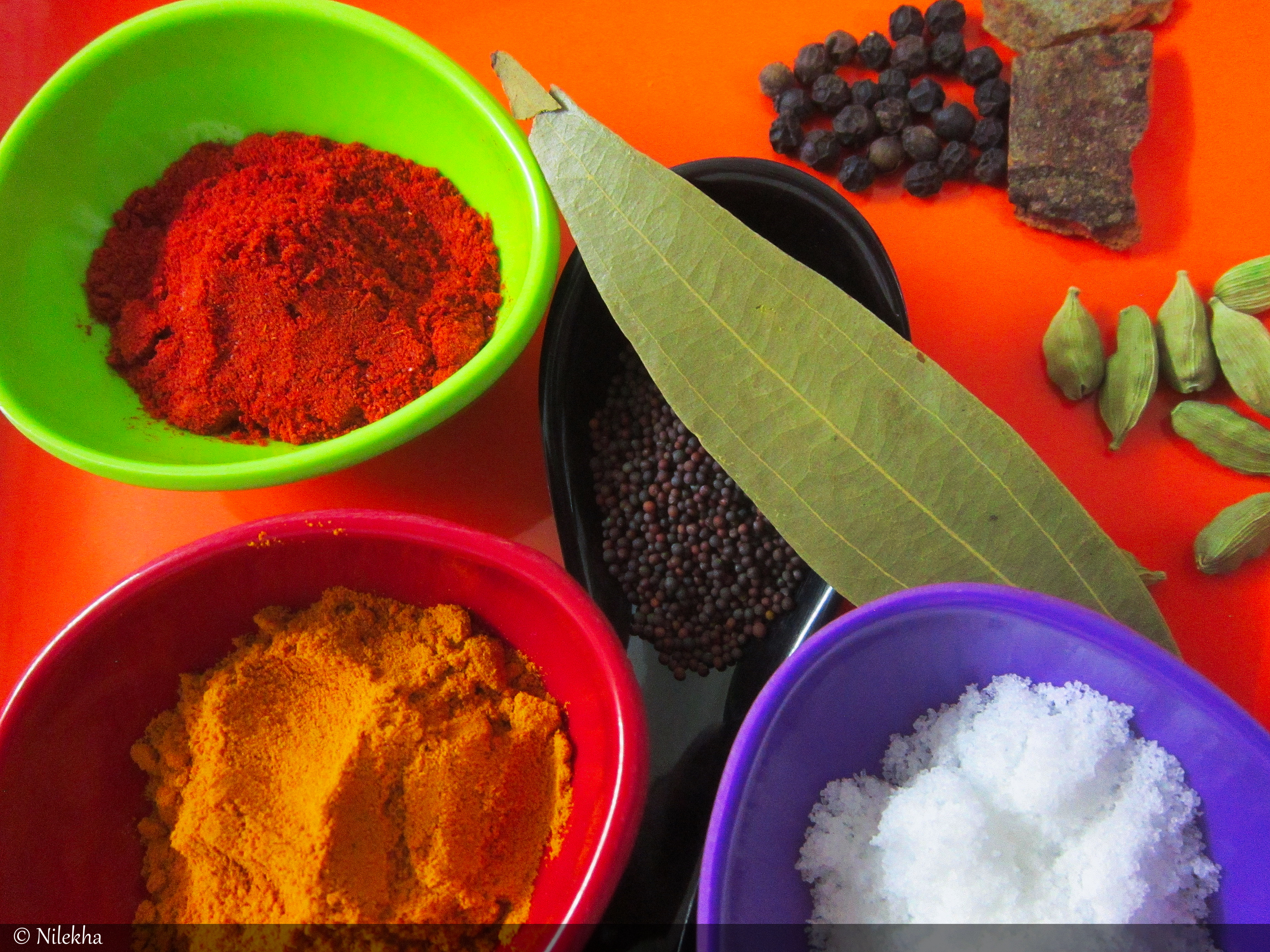
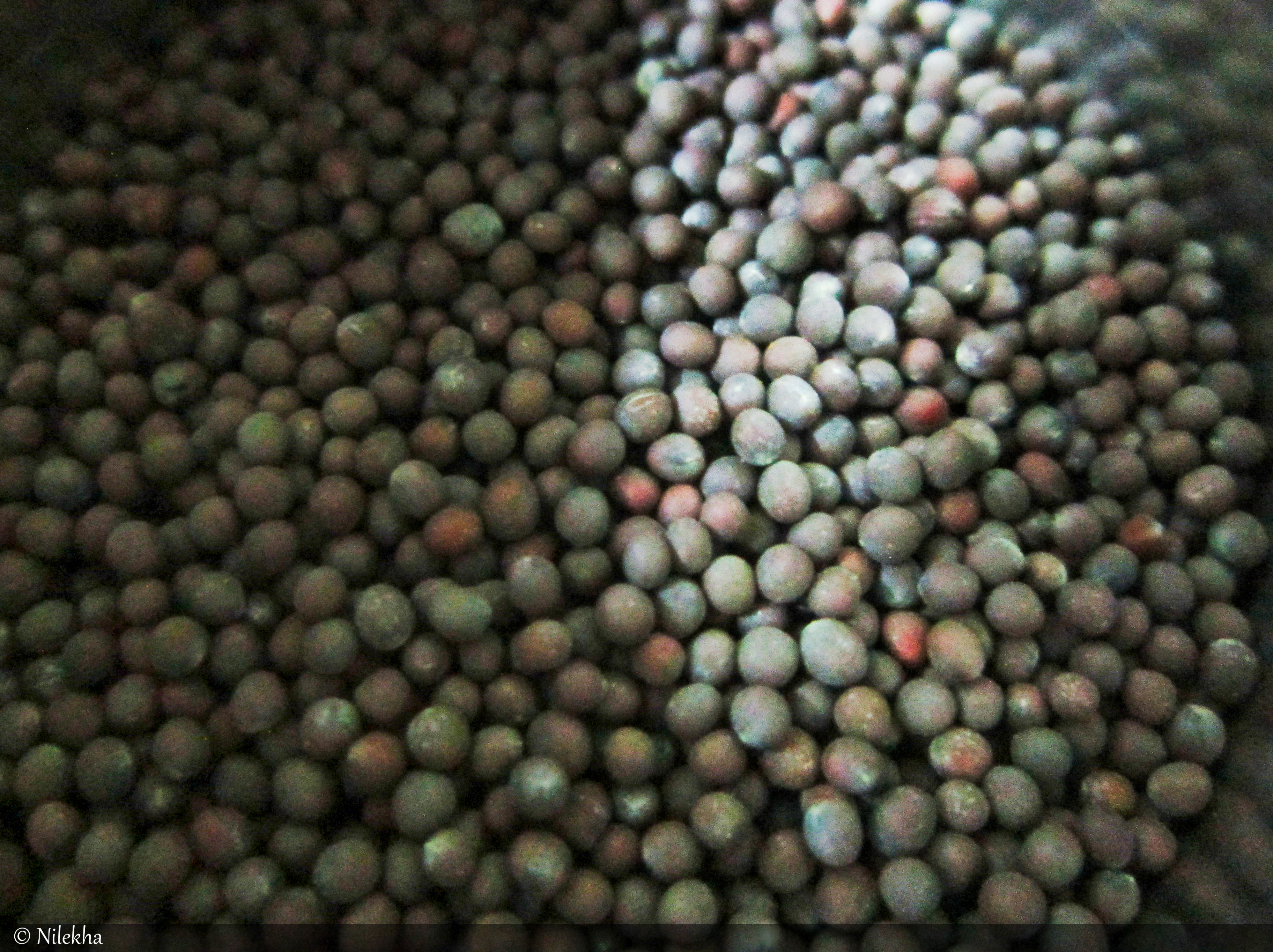
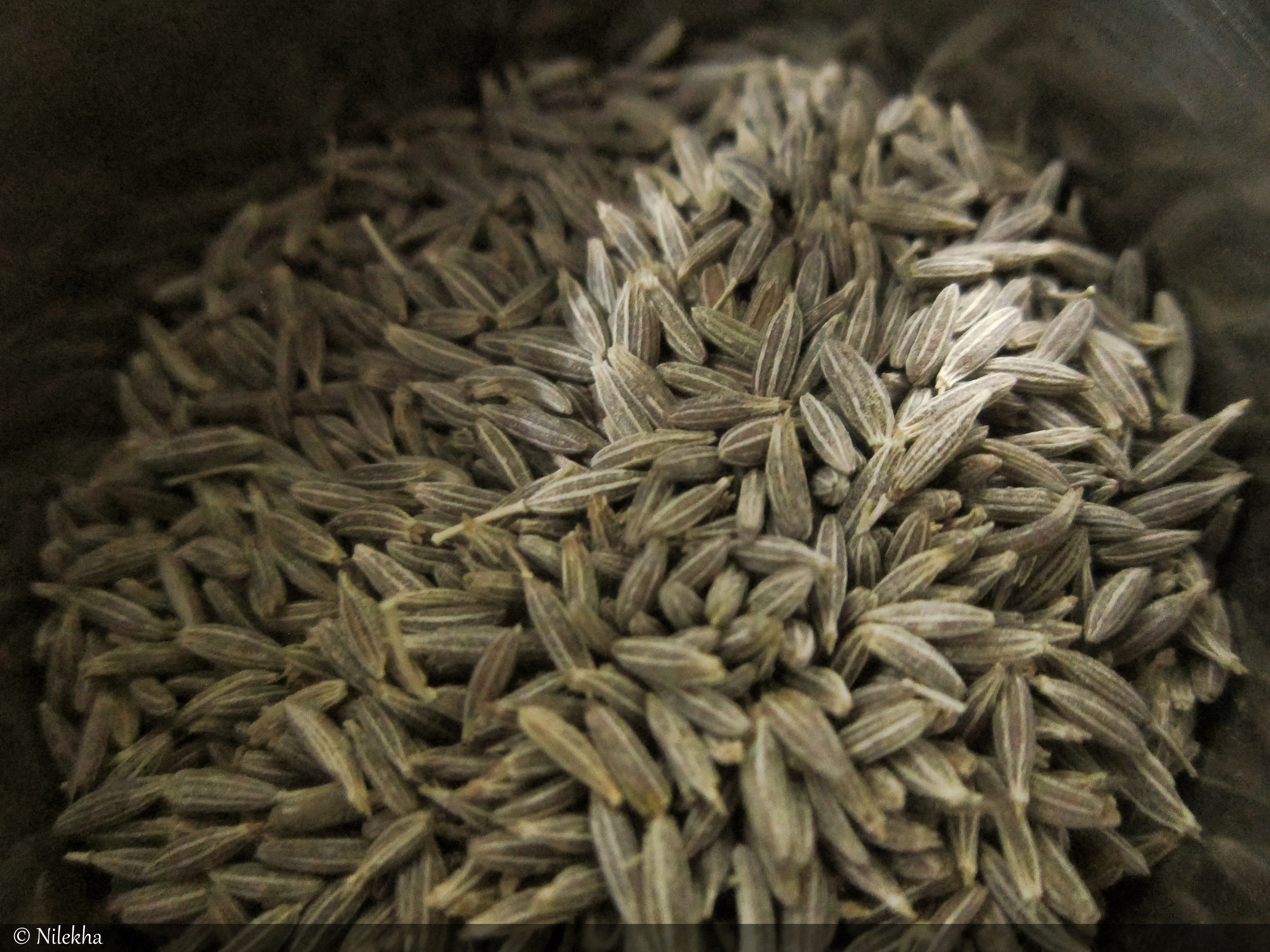
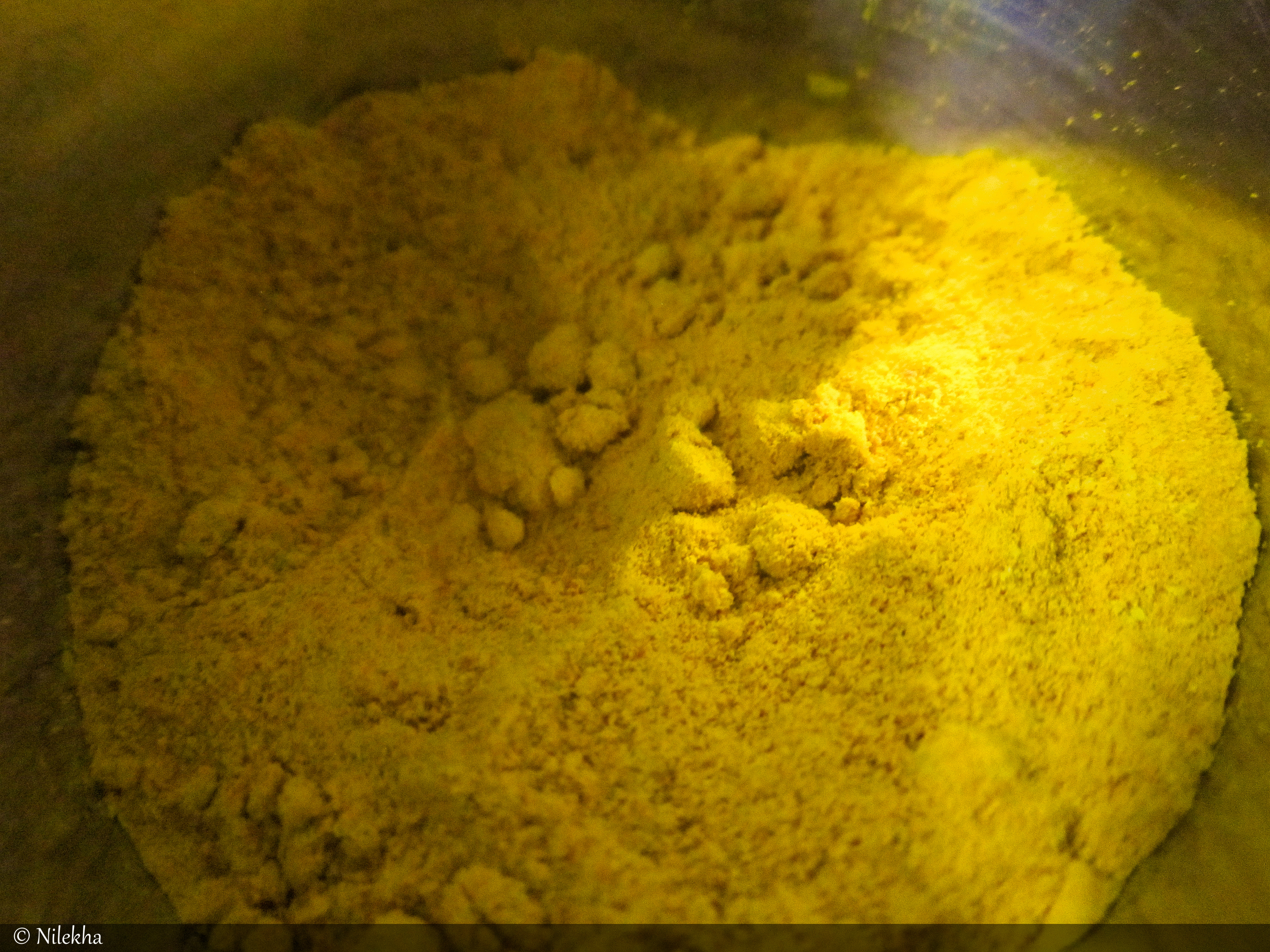
A normal everyday veggie is also not complete without the use of at least 2-3 basic spices. Any Indian kitchen normally contains a round spice container containing 5-6 sub-containers. Turmeric, Chilli powder, Mustard seeds (black), Cumin seeds (jeera), Coriander seeds, Asafoetida (hing), Garam masala (blend of certain spices like peppercorn, cardamom, cinnamon, clove, mace, etc.) are normally the usual contenders to be included.
Whether our taste buds always had an inclination for spices or the inclusion of spices in cooking began for their medicinal purposes is not yet clear. However, every Indian spice most definitely has some health benefit (when used in proper proportion). Turmeric is antiseptic, Asafoetida is useful to cure stomach ache & digestive disorders, Black peppercorn helps in curing cough & cold, Cumin seeds also help in digestion & the list goes on.
Spices are generally used at 3 different stages of cooking.
- While Marination (generally in case of meats, poultry or fish-usually turmeric powder, ginger-garlic paste, etc.)
- While tempering (almost for all vegetarian curries & dals-usually mustard seeds, cumin seeds, etc.)
- For seasoning/garnishing [after the cooking process is over but before serving-usually garam masala, chaat masala, kasuri methi (dry fenugreek leaves), etc.]
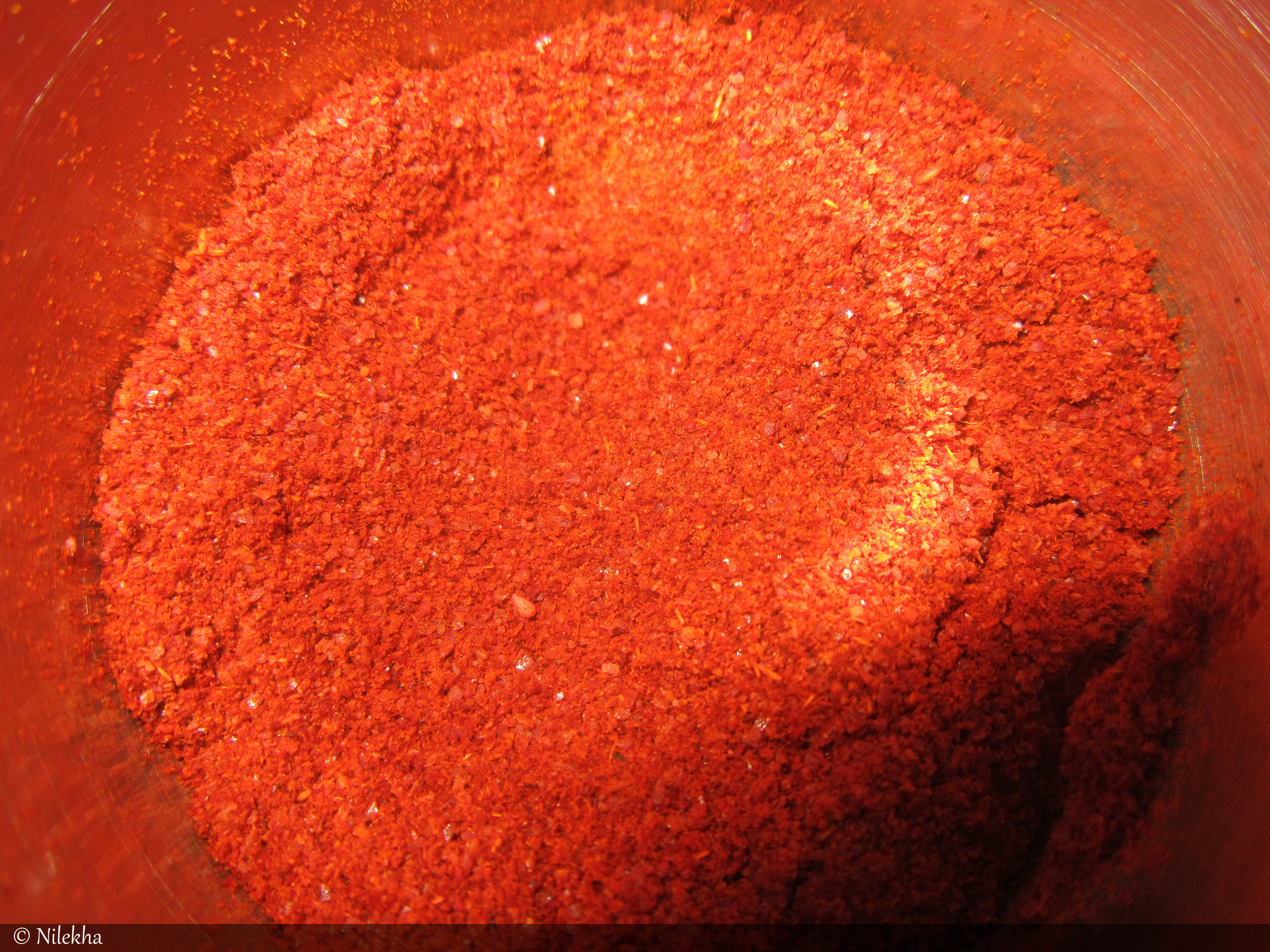
Since the ancient times, spices were one of the main commodities traded by the Indians. Arab Merchants supplied Indian spices to the west between 7th & 15th century. As Europeans had no access to them, Indian spices were very expensive during that time.
It is no more difficult to procure Indian spices. They are quite easily available around the world but for those who don’t know how & in what proportion to use them, they still remain a mystery…..
A proper use of spices enhance the flavor of a dish but their improper use can lead to the dish’s downfall. Mustard seeds not tempered properly or turmeric powder used in excess quantity or garlic used in the place of ginger can ruin the entire dish. Vibrant, subtle or aromatic if one learns the proper technique of using them, Indian spices are certainly integral part of Indian cuisine.
 Nile's Creations
I never ate spicy food before I went to India and could hardly recognizes different spices. India taught me so much! I just wrote about this if you’d like to have a read 🙂 https://theeatingspree.com/2019/01/06/how-india-changed-the-food-game-for-me/
LikeLiked by 1 person